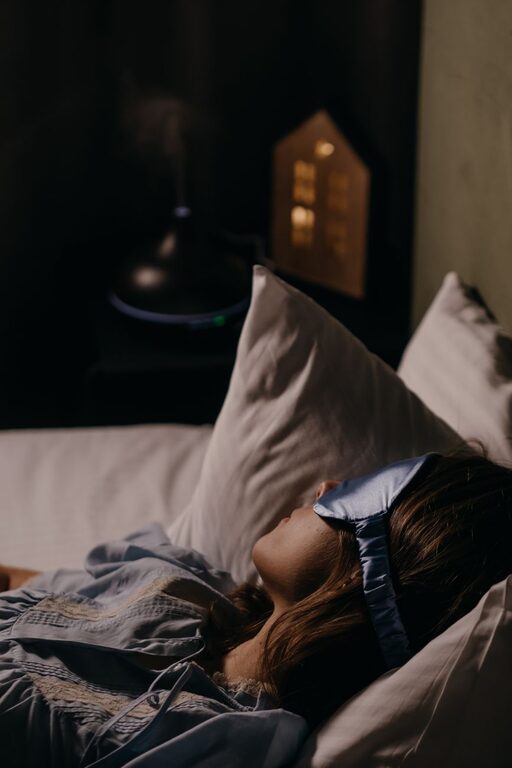

Creating a calm and restful evening routine can make a big difference in how you end your day and prepare for a good night’s sleep. Often, we rush through the evening feeling stressed or distracted, which can affect our mood and energy the next day. The good news is that small changes to your habits can help you unwind and enjoy a more peaceful evening.
In this post, we’ll explore practical, easy-to-implement tips to create a calmer evening routine. These strategies don’t require drastic lifestyle changes—just thoughtful adjustments that promote relaxation and set the tone for restful sleep.
Why a Calmer Evening Routine Matters
Your evening routine influences your mental and physical health more than you might realize. A hectic or screen-filled night can cause restless sleep and leave you feeling tired. On the other hand, a calming routine helps signal to your body that it’s time to wind down, reducing stress and improving sleep quality.
Establishing a relaxing routine can:
– Lower stress hormones
– Improve mood and focus the next day
– Strengthen your sleep cycle
– Support overall wellbeing
Small Changes to Try Tonight
1. Set a Consistent Bedtime
Going to bed and waking up at the same time each day—even on weekends—helps regulate your body’s internal clock. This consistency can improve the quality of your sleep and make it easier to fall asleep naturally.
Tip: Choose a bedtime that allows you 7 to 9 hours of sleep and stick with it.
2. Dim the Lights an Hour Before Bed
Exposure to bright light in the evening can interfere with melatonin production, the hormone that makes you sleepy. Lowering the lights signals to your brain that the day is winding down.
Try: Using lamps, candles, or dimmable bulbs. Avoid overhead lights and bright screens.
3. Limit Screen Time
The blue light emitted by phones, tablets, and computers can trick your brain into thinking it’s daytime. This can delay sleep onset and reduce sleep quality.
Suggestion: Aim to turn off screens at least 30 to 60 minutes before bedtime. Instead, read a book, listen to calming music, or enjoy quiet conversation.
4. Create a Relaxing Ritual
Incorporate activities that help you unwind and shift your focus away from the day’s stresses.
Some calming activities include:
– Taking a warm bath or shower
– Practicing gentle yoga or stretching
– Meditating or doing deep breathing exercises
– Journaling thoughts or gratitude
5. Avoid Heavy Meals and Caffeine Late in the Day
Eating large meals or consuming caffeine too close to bedtime can disrupt digestion and make it harder to fall asleep.
Guidance: Finish eating at least 2-3 hours before bed and limit caffeine after mid-afternoon.
6. Prepare Your Sleep Environment
A comfortable, quiet, and cool bedroom promotes restful sleep.
Consider:
– Using blackout curtains or an eye mask
– Reducing noise with earplugs or a white noise machine
– Keeping room temperature between 60-67°F (15-20°C)
– Investing in supportive pillows and a comfortable mattress
Additional Tips for Sustained Calmness
Practice Mindfulness Throughout the Day
Mindfulness can help reduce overall stress, which may improve your ability to relax at night. Taking short mindful breaks during the day, or practicing meditation, can create a calmer mindset by evening.
Avoid Alcohol Before Bed
Although alcohol may make you feel sleepy initially, it can interrupt sleep cycles and reduce sleep quality. Limiting alcohol intake in the evening supports better rest.
Plan for Tomorrow
Taking a few minutes in the evening to organize your tasks for the next day can ease anxiety and prevent your mind from racing when you try to fall asleep.
Sample Calmer Evening Routine
– 7:30 pm: Turn off screens, dim lights
– 7:45 pm: Light snack if hungry, avoid caffeine and heavy food
– 8:00 pm: Take a warm bath or practice stretching
– 8:20 pm: Read a book or journal
– 8:40 pm: Meditate or do deep breathing for 5-10 minutes
– 9:00 pm: Prepare bedroom environment (temperature, lighting)
– 9:15 pm: Get into bed at consistent bedtime
Final Thoughts
A calmer evening routine doesn’t require a complete lifestyle overhaul—just mindful small changes that help you relax and prepare your body for sleep. Experiment with the ideas above to find what works best for you. Over time, these habits can help you feel more peaceful, sleep better, and wake up refreshed every day.
Remember, consistency is key. Start small, be patient with yourself, and enjoy the benefits of a calmer evening routine.