
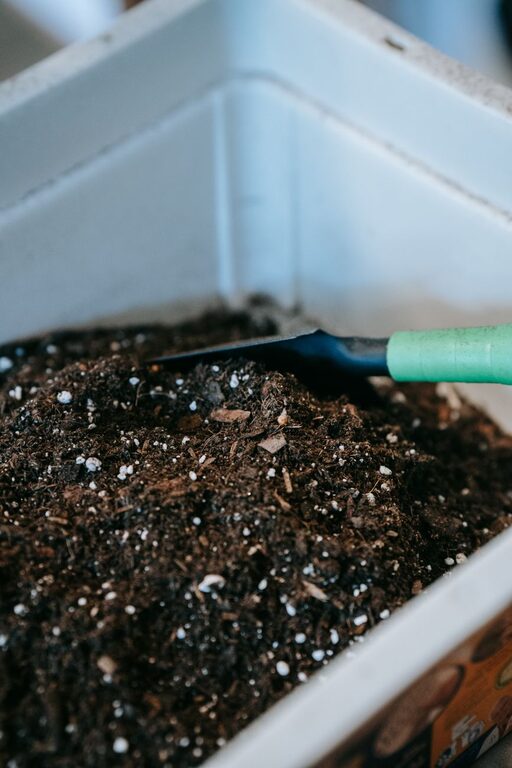
Composting at home is a fantastic way to reduce waste, enrich your garden soil, and contribute positively to the environment. If you’re new to composting, it might seem a bit overwhelming at first, but with the right tips and a little patience, you can quickly develop a thriving compost system. This guide will walk you through beginner-friendly steps to start composting at home successfully.
What Is Composting?
Composting is the natural process of recycling organic matter, such as food scraps and yard waste, into a rich soil amendment called compost. This dark, crumbly, and earthy-smelling material can improve soil health, promote plant growth, and reduce the need for chemical fertilizers.
Why Compost at Home?
– Reduces Household Waste: Composting diverts food scraps and yard waste from landfills.
– Enhances Soil Quality: Compost adds nutrients and improves soil structure.
– Saves Money: Reduces the need for buying commercial fertilizers or soil conditioners.
– Supports the Environment: Lowers greenhouse gas emissions from organic waste in landfills.
Getting Started: What You Need
1. Choose a Compost Bin or Pile
You can compost in many ways, depending on your space and preferences:
– Compost Bin: Available as plastic or wooden containers. Ideal for small yards or patios. Helps keep the compost tidy and deters pests.
– Compost Pile: Simply create a pile in a corner of your yard. Requires more space but works well for large gardens.
– Tumbler: A rotating compost bin that speeds up decomposition through regular turning.
2. Select a Suitable Location
Place your compost bin or pile in a convenient, dry, and well-drained spot. Partial sun or shade works well as it allows moisture retention without drying out the materials too fast.
What Can You Compost?
Greens (Nitrogen-Rich Materials)
– Fruit and vegetable scraps
– Coffee grounds and tea bags
– Fresh grass clippings
– Plant trimmings
Browns (Carbon-Rich Materials)
– Dry leaves
– Straw or hay
– Shredded newspaper or cardboard (avoid glossy print)
– Small branches and twigs
What to Avoid
– Meat, dairy, and oily foods (attract pests)
– Diseased plants
– Pet waste
– Invasive weeds or plants treated with herbicides
How to Compost: Step-by-Step
1. Start with a Base Layer
Begin with a layer of coarse materials such as twigs or straw. This layer helps with aeration and drainage.
2. Add Layers of Greens and Browns
Alternate between green and brown layers, aiming for approximately 2–3 parts brown to 1 part green. This balance helps maintain the right moisture and nutrient levels for decomposition.
3. Keep It Moist
The compost should be as damp as a wrung-out sponge. Water occasionally if it feels dry, especially during hot weather.
4. Turn the Compost
Aerate your compost by turning or mixing it every 1–2 weeks. This introduces oxygen, which speeds up decomposition and prevents odors.
Tips for Success
– Chop or Shred Materials: Smaller pieces break down faster.
– Avoid Overloading: Don’t add too much green material at once; balance is key.
– Be Patient: Composting can take from a few weeks to several months.
– Monitor Temperature: A warm pile decomposes faster, but outdoor piles vary by season.
– Use Finished Compost: When the compost is dark, crumbly, and earthy-smelling, it’s ready to use in your garden beds, pots, or lawn.
Troubleshooting Common Issues
| Problem | Possible Cause | Solution |
|——————-|——————————–|———————————-|
| Foul Odor | Too much green material; too wet | Add more browns, turn pile, aerate |
| Slow Decomposition| Lack of nitrogen or moisture | Add more greens and water |
| Pests | Meat or dairy in pile | Remove these materials, secure bin |
| Dry Compost | Not enough moisture | Water regularly |
Final Thoughts
Starting to compost at home is a rewarding and eco-friendly habit. By following these beginner tips—choosing the right container, balancing green and brown materials, maintaining moisture and airflow—you’ll be well on your way to producing nutrient-rich compost that benefits your plants and the planet.
Remember, composting is flexible; feel free to adjust your method based on what works best for your space and lifestyle. Happy composting!