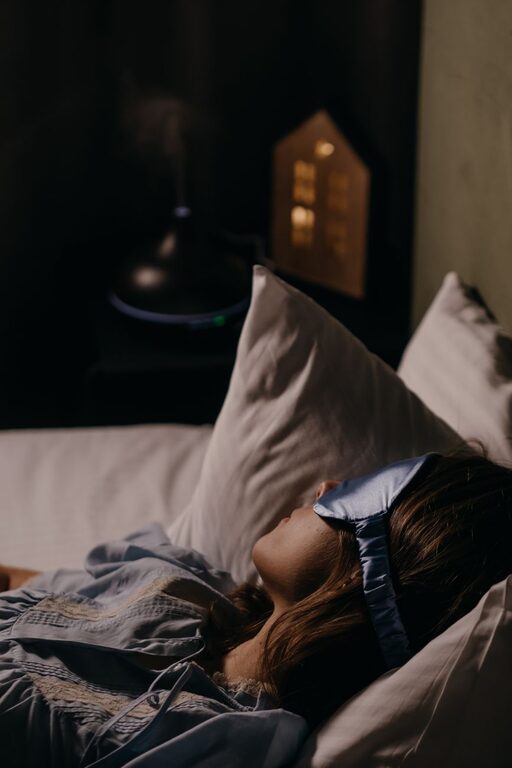

Getting a good night’s sleep starts long before you close your eyes. One of the best ways to improve your sleep quality is by developing a relaxing bedtime routine. This helps signal your body and mind that it’s time to wind down, making it easier to fall asleep and stay asleep throughout the night.
In this post, we’ll explore practical tips for creating a bedtime routine that promotes relaxation and supports restful sleep.
Why a Bedtime Routine Matters
Establishing a consistent routine before bed benefits more than just your sleep schedule. It can:
– Lower stress and anxiety
– Help regulate your body’s internal clock
– Improve the overall quality and duration of your sleep
– Make it easier to transition from daytime activities to rest
By setting aside 30 to 60 minutes before bed for calming activities, you prepare your mind and body for deep relaxation.
Steps to Create Your Relaxing Bedtime Routine
1. Choose a Consistent Bedtime
Try to go to bed and wake up at the same time every day, even on weekends. Consistency helps regulate your circadian rhythm, making it easier to fall asleep naturally.
2. Set a Tech Curfew
Screens emit blue light, which can interfere with your body’s production of melatonin, the sleep hormone. Aim to turn off smartphones, tablets, computers, and TVs at least 30 to 60 minutes before bed.
Instead, consider replacing screen time with more soothing activities.
3. Create a Calm Environment
Dim the lights in your home as bedtime approaches. A darker environment cues your body to produce melatonin. You might also want to:
– Lower the room temperature slightly (around 65°F or 18°C is ideal for sleep)
– Use blackout curtains to block out streetlights or early morning sun
– Play soft, calming music or white noise if it helps you relax
4. Engage in Relaxing Activities
Pick gentle, enjoyable activities that help you unwind. Some ideas include:
– Reading a book or listening to an audiobook
– Practicing meditation or deep breathing exercises
– Taking a warm bath or shower to relax muscles
– Writing in a journal to clear your mind
– Doing light stretches or yoga poses designed for relaxation
5. Avoid Stimulants and Heavy Meals
Limit caffeine and nicotine intake in the evening, as they can keep you awake. Also, try not to eat large or spicy meals close to bedtime to prevent discomfort and indigestion.
6. Prepare for the Next Day
Spending a few minutes organizing for tomorrow can reduce stress. For example:
– Choose your clothes
– Make a to-do list
– Pack your bag
Knowing these tasks are done can help you feel more relaxed.
Sample Relaxing Bedtime Routine
Here’s an example of a routine that takes about 45 minutes:
– 8:15 PM: Turn off screens and dim lights
– 8:20 PM: Take a warm bath or shower
– 8:35 PM: Write a few lines in a journal or read a calming book
– 8:50 PM: Practice 5-10 minutes of deep breathing or meditation
– 9:00 PM: Get into bed and listen to soft music or white noise
Adjust the timing and activities to suit your personal preferences and schedule.
Tips for Sticking with Your Routine
– Start small: Begin with one or two calming activities and gradually add more.
– Be consistent: Try to stick with your routine every night for a few weeks to see results.
– Make it enjoyable: Choose activities you genuinely find relaxing to increase the chances of maintaining the routine.
– Prepare your bedroom: Keep your sleep environment clean, cool, and comfortable.
When to Seek Professional Help
If you consistently have trouble falling asleep or staying asleep despite a good bedtime routine, consider reaching out to a healthcare professional. Chronic sleep problems can sometimes indicate underlying issues that may need professional care.
Final Thoughts
Creating a relaxing bedtime routine is a simple but powerful way to improve your sleep quality and overall well-being. By taking a little time each evening to unwind, you help your body transition smoothly into rest, making mornings easier and days more productive. Start small, be consistent, and enjoy the calm that comes with a peaceful bedtime ritual. Sweet dreams!