
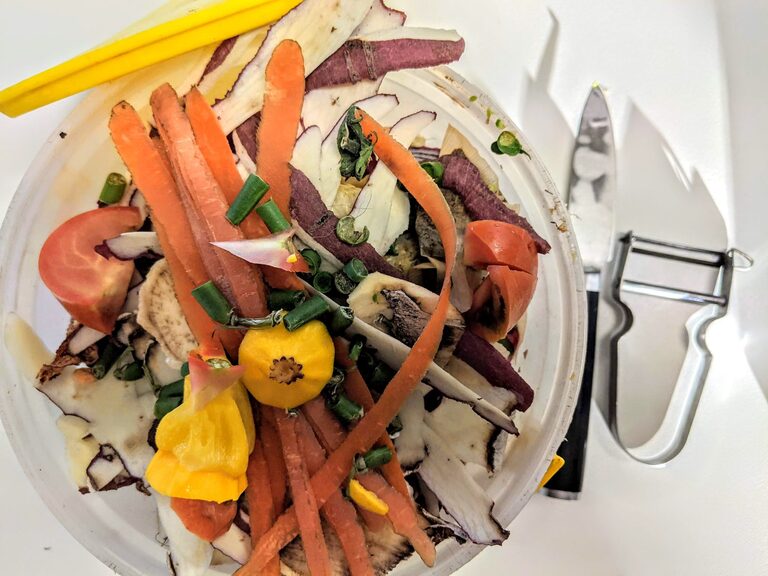
Reducing food waste at home is a simple yet powerful way to save money, conserve resources, and help protect the environment. Every year, millions of tons of food are thrown away, much of which could have been consumed with a little planning and care. In this post, we’ll explore practical strategies you can use to cut down on food waste in your household.
Why Reducing Food Waste Matters
Food waste doesn’t just mean wasted money — it also impacts the environment. When food is thrown away, all the energy, water, and labor used to produce it are lost. Additionally, food waste in landfills produces methane, a greenhouse gas that contributes to climate change. Taking steps to reduce food waste at home helps conserve resources and lowers your carbon footprint.
Plan Your Meals Ahead
One of the best ways to reduce food waste is to plan your meals in advance.
Create a Weekly Meal Plan
Planning your meals for the week helps you buy only what you need. Write down your menus and snacks, then check your pantry and fridge before shopping to avoid duplicates.
Make a Shopping List and Stick to It
Impulse buys often end up forgotten and wasted. A detailed shopping list reduces unnecessary purchases and ensures you have enough food for your planned meals.
Store Food Properly
Proper storage can greatly extend the life of fruits, vegetables, dairy, and leftovers.
Use Clear Containers
Storing leftovers and prepped ingredients in clear containers makes it easier to see what you have, reducing the chance food will be forgotten.
Keep Fruits and Vegetables Separate
Some fruits produce ethylene gas, which can cause nearby vegetables to ripen and spoil faster. Keeping them apart helps prolong freshness.
Use the Freezer Wisely
Freeze surplus bread, cooked meals, and even some fresh produce. Label items with the date so you use them before they expire.
Understand Expiration Dates
Dates on food packages can be confusing and sometimes lead to premature disposal.
Know the Difference Between “Sell By,” “Best By,” and “Use By”
“Sell by” is for store inventory management, while “best by” indicates quality rather than safety. “Use by” is usually the last date the product should be consumed. When in doubt, use your senses to check for spoilage.
Trust Your Senses
Look, smell, and taste small amounts of food to determine if they’re still good to eat before throwing them away.
Get Creative with Leftovers
Transforming leftovers can turn potential waste into delicious meals.
Repurpose Ingredients
Use leftover vegetables in soups, stews, or stir-fries. Stale bread can be made into croutons or breadcrumbs.
Batch Cook and Freeze Portions
Cooking larger meals and freezing individual portions can reduce waste and save time on busy days.
Compost Food Scraps
While reducing waste is the goal, some scraps are unavoidable. Composting converts food scraps into nutrient-rich soil for gardening, reducing landfill waste.
Start a Kitchen Compost Bin
Collect peelings, coffee grounds, eggshells, and other compostable food waste in a small bin in your kitchen.
Use a Backyard Compost Pile or Community Program
If you have space, backyard composting is an eco-friendly choice. Many communities also offer compost collection programs.
Shop Smarter
Making mindful choices while shopping can prevent food waste before it starts.
Buy Loose Produce
Purchasing loose fruits and vegetables allows you to buy exactly the amount you need.
Choose “Ugly” Produce
Don’t overlook oddly shaped or blemished fruits and vegetables—they’re just as nutritious and often sold at a discount.
Regularly Check Your Pantry and Fridge
Routine inspections help you keep track of what you have and what needs to be used soon.
Arrange Items by Expiry Date
Place items nearing their expiration toward the front so you use them first.
Keep a Food Inventory List
Maintaining a list of foods in your fridge and pantry helps with meal planning and prevents duplicates.
Educate Your Household
Getting everyone on board can multiply your food waste reduction efforts.
Share Tips and Goals
Discuss the importance of reducing waste with family or roommates and establish shared rules.
Encourage Responsible Portions
Serve realistic portion sizes to avoid uneaten leftovers.
—
Reducing food waste at home is easy when you incorporate these habits into your daily routine. By planning meals, storing food properly, understanding expiration dates, and getting creative with leftovers, you can make a meaningful difference for your wallet and the planet. Start small and watch your food waste—and savings—shrink!